I just got back from a mission trip to Guatemala.
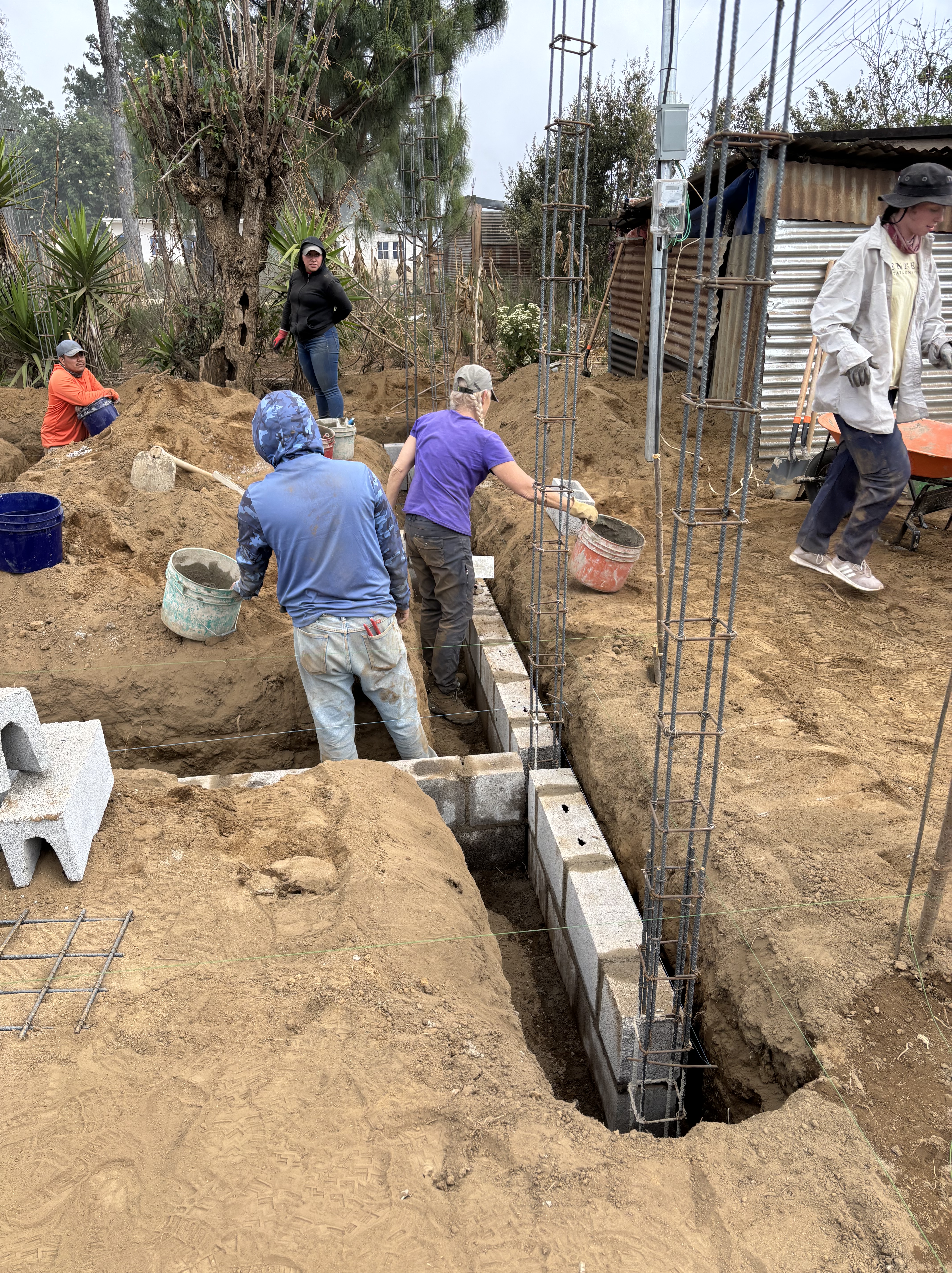
I’m not quite sure of my count, but I believe this was either my 10th or 11th trip to the Lake Atitlan region to be a part of a team building houses and conducting medical clinics with the faith-based organization, Solomon’s Porch.
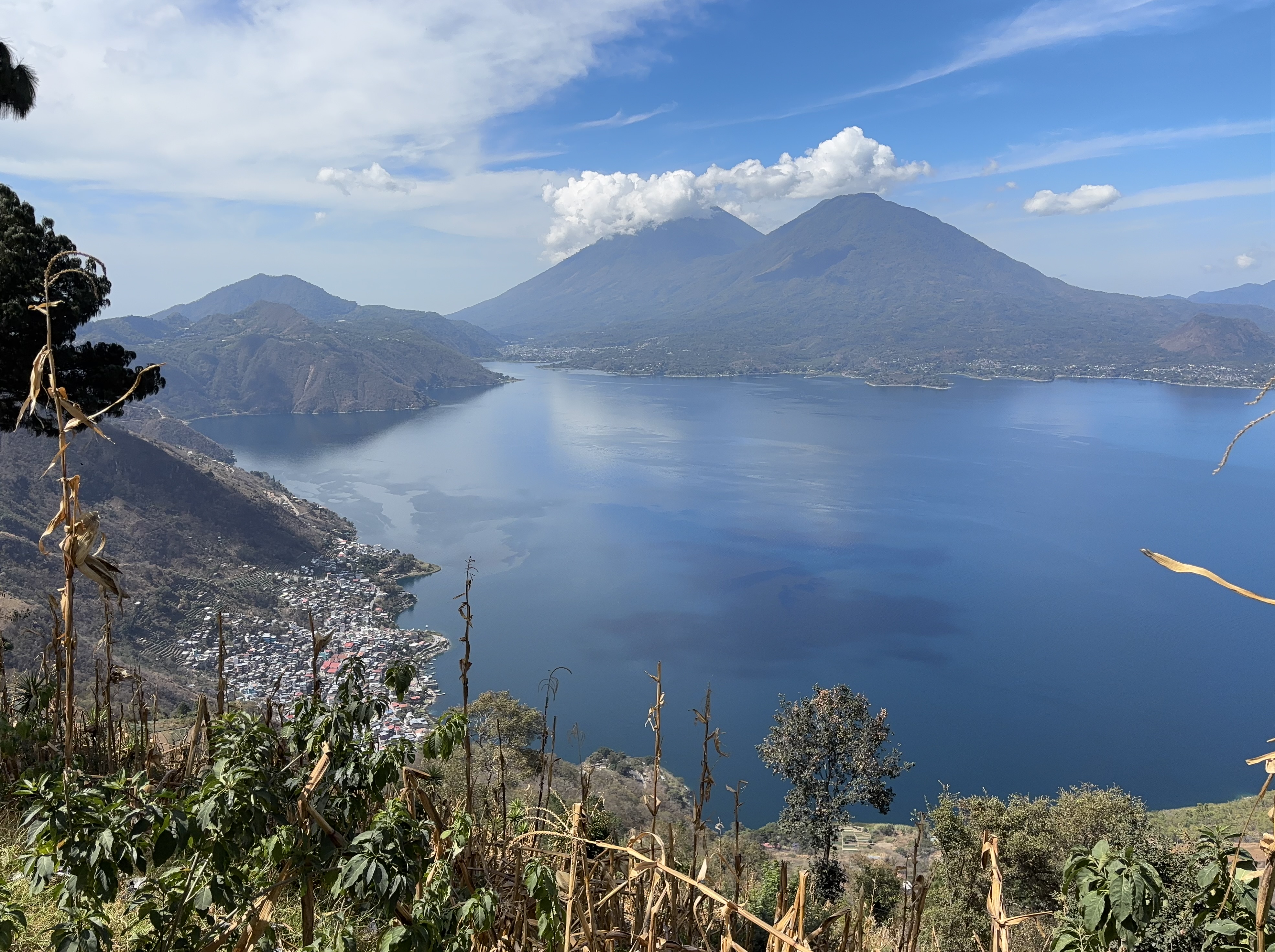
You can find out more about Solomon’s Porch here at their website. I cannot imagine a more compassionate, thorough, dedicated, and joy-filled bunch of people to partner with in an endeavor like this. The house we worked on – for Juana and her three children – will be the 188th Porch and its volunteers have built since they first began working here in 2005.
One question I get a lot when I return from one of these trips is, “How was it?” I usually give generic, non-specific answers like, it was great. It was transformational. It was fun. Depending on who is asking, I also give the answer that feels closest to the truth; it was utterly life-changing.
Another question is, “Did you feel safe?” I think this one is asked because of the brutal civil war that ravaged Guatemala from 1960 to 1996, killing thousands of indigenous people under the guise of “fighting Communism.” To this day, Guatemala still experiences pockets of violence and crime that causes our State Department to advise against traveling there.
Sometimes people do a little bit of probing. They ask this question designed, I assume, to assuage their own guilt, or to challenge my altruism. The question is usually some version of, “Why did you need to go to a different country to help people? Don’t we have enough people here in the U.S. that need help?”
That is when I remember Jesus’ words, recorded there in Acts 1:8 when he said, “And you will be my witnesses right there in your own back yards. Don’t worry about going anywhere else. I’m sure somebody will take care of that stuff.”
NO! Jesus’ actual words in Acts 1:8 were, “And you will be my witnesses in Jerusalem, Judea, Samaria, and to the ends of the earth.” In other words, if you call yourself a follower of his, you are grafted into a “both/and” kind of ministry. A ministry to Jerusalem (your own back yard), Judea (the wider surrounding area), Samaria (that place where people don’t like you very much), and to the ends of the earth. Which means… well, exactly what it says.
But here is the question I have wanted someone to ask me after one of these trips but have never had a chance to field. No one has ever asked me, Why Guatemala? Why not Ecuador? Or Botswana? Or Azerbijan?
The answer to that question began on my first trip to Guatemala in 2003. I was part of a group of seminary students and two professors who went there on what we called an “immersion” trip. Meaning that our task was to immerse ourselves in the country, hear the stories of the people, and allow our minds and hearts to be changed.
For an entire semester prior to the trip, we met together in a class where we studied the history, the geography, the ethnicity, and the language of Guatemala. We learned, often in graphic detail, about the 36 year long civil war. We read copies of the REHMI Report, produced by an independent commission about the causes and tragic outcomes of that civil war. We read detailed accounts of the toll that civil war took, primarily on indigenous men, who were suspected of being part of a guerilla resistance operation.
We also read the book, I, Rigoberta Menchu… An Indian Woman in Guatemala. This was the book that won the 1992 Nobel Peace Prize.
What we learned, more than anything else from all that reading, was about the innocent Guatemalan blood that stains the hands of this country. All shed, incidentally, so you and I might enjoy cheaper bananas on our corn flakes.
I won’t go into deep detail on the story, but maybe some brief background would be helpful. Guatemala has a perfect climate for growing many kinds of fruit, but especially bananas. In the late 1950s, the U.S. based United Fruit Company – with the help of the Guatemalan armed forces – began taking large swaths of land away from indigenous farmers and turning that land into fincas, or plantations where bananas could be grown.
Some of you might be old enough to remember United Fruit’s cute little TV mascot from the time… Chiquita Banana.
In 1951, Guatemala elected Jacobo Arbenz Guzman president. Upon his election, Guzman immediately started a program of land reform. In 1952, he signed the Agrarian Reform Law which redistributed unused land from large, private estates to landless peasants to shift the country from a semi-feudal economy toward capitalism, a move which impacted about 500,000 individuals. These reforms, most notably affecting United Fruit Company, were a major factor in the 1954 CIA-backed coup that removed Árbenz from power.
A major shareholder in United Fruit Company at the time was John Foster Dulles, for whom Dulles Airport in our nation’s capital is named. At the time, Dulles was serving as the U.S. Secretary of State under Eisenhower.
All of this was taking place against the backdrop of the Joseph McCarthy anti-communist witch hunt. In that environment, nothing quite spelled communism like a reformist president of a poor, Central American country seizing land from big corporations and giving it to landless peasants.
The campaign to stamp out the Red Scourge in Guatemala was ON!
To curtail what could/should be a much longer story, I will wrap up by saying that my love for and attraction to Guatemala has a lot to do with the beauty of the land and the spirit of the people. But it probably has more to do with a need to enact some form of penance for the damage our country willfully inflicted on that place and her people. It is a version of a story we have seen enacted all over the world, but never on quite the level of violence and death we inflicted upon Guatemala.
Can I ever repent adequately for the sins of my nation? Will there ever be enough houses built or medical clinics conducted for indigenous Guatemalans to soothe the pain inflicted there? Is there another, more powerful way to say, “I’m sorry” to those beautiful people?
I don’t know for certain, but I am pretty sure the answer is “NO” to all three of those questions. But for as long as I am physically able, I will continue to try and be an agent of healing and restoration in whatever way I can.
Abundant blessings;


 Russellings of the Spirit
Leave a reply to peachimpossiblyf879c9a4df Cancel reply